
![[Nuovo 2027] Dukawey FUGL Pro](http://www.gleecycle.com/cdn/shop/files/product_image_fuglpro_1.webp?v=1792461352&width=1200)


Auto ed e-bike non sono concorrenti, ma soluzioni complementari per la mobilità urbana. Entrambi sono ottimi mezzi di trasporto — per i tragitti quotidiani entro 10 km, le e-bike si distinguono spesso per flessibilità, economia e benefici per la salute; mentre le auto restano partner affidabili per lunghe distanze, viaggi di gruppo e comfort con ogni tempo. I pendolari intelligenti sanno come combinarli in base allo scenario, rendendo ogni viaggio perfetto.

-
Scivola tra piste ciclabili e strade secondarie (
-
Auto
Conclusione: Per tragitti entro 10 km, il tempo di percorrenza costante di un'e-bike è spesso più affidabile della "velocità massima teorica" di un'auto. Usare entrambi insieme — pedalare quando il meteo e l'energia lo permettono, guidare quando si ha fretta o il tempo è brutto — è la soluzione ottimale per l'efficienza negli spostamenti.
| Categoria di costo | Auto (annuale) | E-Bike urbana (annuale) |
|---|---|---|
| Acquisto | Auto nuova nell'UE: media di 25,000–35,000 €, con deprezzamento tipico del 20–30% nel primo anno, quindi costo di possesso elevato. | Le e-bike costano generalmente tra 800 e 3,500 €, con deprezzamento relativamente basso, in media circa 150–400 € all'anno. |
| Carburante/Energia | Prezzo medio del carburante nell'UE ~1,97 €/litro, fino a 2,34 €/litro nei Paesi Bassi. | Una ricarica completa costa solo 0.10–0.25 €, un costo energetico annuo di 30–50 € è più che sufficiente. |
| Parcheggio | I costi di parcheggio nelle grandi città europee continuano a salire. Ad esempio, nei Paesi Bassi, il parcheggio su strada nel centro di Amsterdam ha raggiunto fino a 8,05 €/ora, e parcheggiare per un'intera giornata nelle zone centrali supera spesso i 60 €. Alcune opzioni di parcheggio a lungo termine possono costare 195–340 € al mese. | Il parcheggio pubblico per le e-bike è generalmente gratuito; il parcheggio dedicato per bici o il deposito a lungo termine possono comportare costi. |
| Tassa di congestione / Zona a basse emissioni | Le città impongono multe per l'ingresso in zone a basse emissioni senza permessi adeguati; ad esempio, nelle zone ZFE in Francia, non avere il bollino Crit'Air comporta in genere una multa di circa 68 €. Alcune città (es. tassa di congestione di Londra) richiedono anche il pagamento di un pass giornaliero. | Non applicabile – circolazione libera ovunque. |
| Assicurazione | L'assicurazione auto in Europa costa circa 300–800 € all'anno e può superare i 1,000 € in paesi come l'Italia. L'assicurazione di responsabilità civile di base è obbligatoria per tutti i veicoli. | La maggior parte dei paesi europei non richiede un'assicurazione obbligatoria; anche l'assicurazione volontaria costa solo 30–80 €/anno. |
| Manutenzione e riparazioni | I costi annuali di manutenzione e riparazione per un'auto variano in genere da 300 a 1,200 €. |

-
E-Bike è uno dei veicoli più efficienti dal punto di vista energetico, non produce quasi nessuna emissione diretta di carbonio e consuma pochissime risorse (la batteria al litio utilizza solo circa 1/100 di quella di un'auto elettrica).
-
Auto si sta elettrificando rapidamente; i modelli ibridi ed elettrici puri riducono notevolmente le emissioni allo scarico e restano indispensabili per i viaggi a lunga distanza.
Usare le e-bike per brevi tragitti entro 10 km può ridurre efficacemente le elevate emissioni delle auto a benzina durante gli avviamenti a freddo e i brevi percorsi, creando un complemento verde ai veicoli elettrici. I due non si sostituiscono; insieme rendono le città più pulite.
4. Salute e vita: che la mobilità sia al servizio della vita
-
-
Guidare un'auto offre un riparo per ogni condizione meteo, permettendoti di restare comodo e a tuo agio anche quando sei stanco, di fretta o carico di molti oggetti.
La situazione ideale è: nelle giornate di sole quando ti senti pieno di energia, goditi un rinfrescante giro di 10 km sulla tua e-bike; in caso di forte pioggia, caldo estremo o quando devi andare a prendere i familiari, sali in auto con facilità. I mezzi di trasporto devono servire la vita, non limitarla.
5. Combinare entrambi è la soluzione ottimale
Per i brevi tragitti urbani, l'e-bike offre una scelta estremamente attraente con i suoi vantaggi completi di efficienza, economia e salute. Non si tratta di eliminare l'auto, ma di aggiungere un'opzione verde, flessibile e gioiosa alla mobilità moderna. L'auto resta un partner affidabile, con un ruolo insostituibile su distanze più lunghe e in scenari più complessi.
Se stai cercando un modo più efficiente ed economico per spostarti in città, un'e-bike merita sicuramente di essere presa in considerazione. Ad esempio, la Dukawey Fugl 3.0 e-bike urbana è progettata specificamente per la guida in città, bilanciando efficienza e comfort per i tuoi spostamenti.
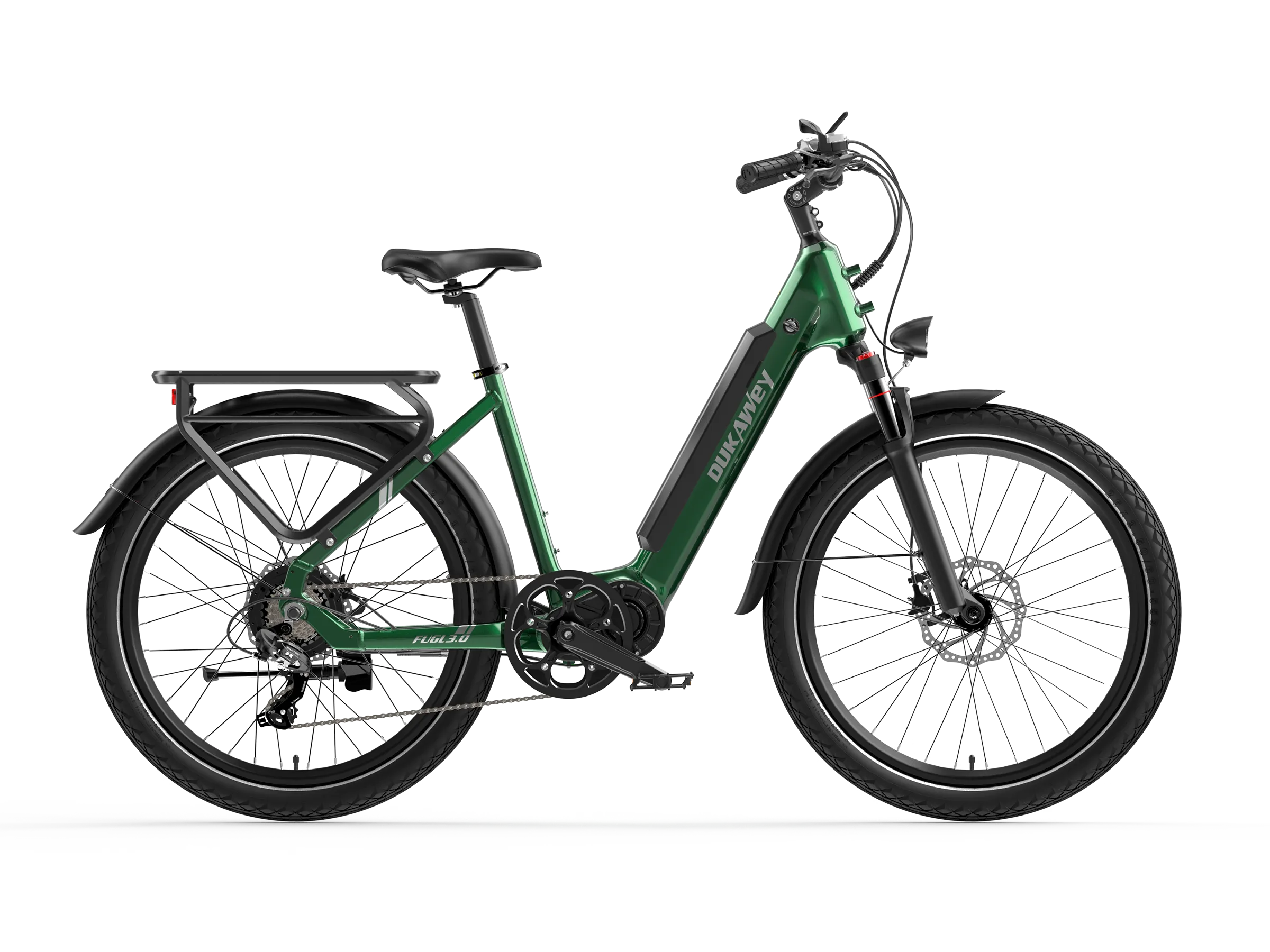
Dukawey FUGL3.0 E-Bike Urbana
Dukawey FUGL3.0 — Un'e-bike confortevole che appiana le pendenze urbane.
Scopri di più